
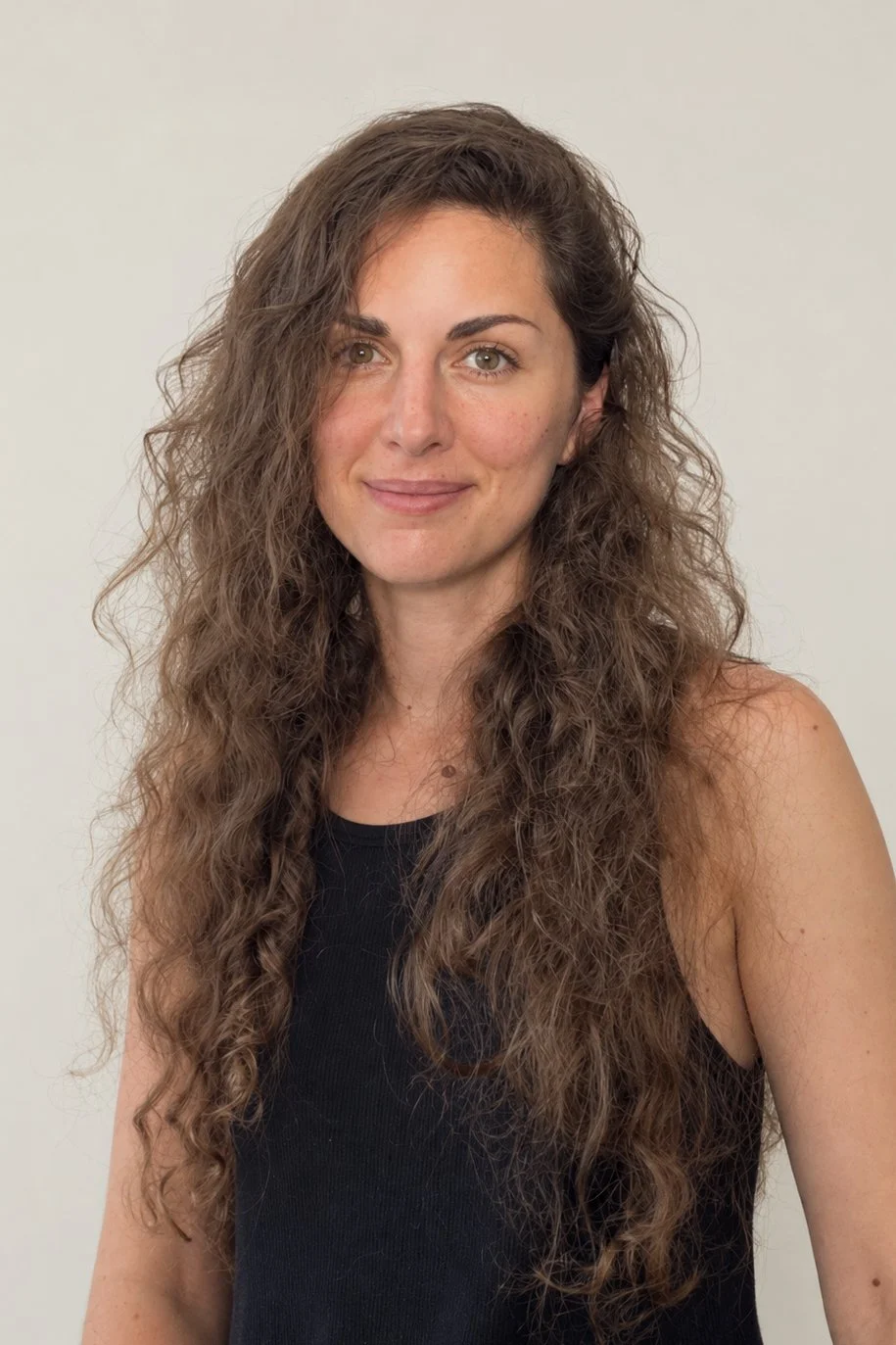
Liza Boffi
Liza Boffi is an artist based in San Francisco. Her creative practice treats plants, animals, and the living systems they form as subjects worthy of the same sustained study that architecture reserves for the built environment.
She trained as an architect at the Harvard Graduate School of Design, where her thesis was advised by artist and industrial designer Krzysztof Wodiczko. During her time there, she served as a teaching assistant for Jeanne Gang and Clare Cahan’s (Studio Gang) course, ‘Can Parkitecture Heal?’ She holds a BA in Art and Art History from Colgate University, where she was advised by documentary filmmaker Penny Lane, and sculptor Dewitt Godfrey. Before founding her own creative practice, she practiced architecture at BFE Architects in Massachusetts, 1100 Architect and ikon.5 architects in New York. She taught in the School of Architecture at Carnegie Mellon University from 2024 to 2026.
Selected CV
-
Harvard Graduate School of Design - Master of Architecture, 2021
Colgate University - Bachelor of Arts, 2015
-
Carnegie Mellon University, School of Architecture - Special Faculty - Studio Instructor, 2024–present
Harvard Graduate School of Design - Teaching Assistant - Studio by Jeanne Gang + Claire Cahan, 2020
-
Exhibizone - Elements 2026, Juried Online Group Exhibition, 2026 (Forthcoming)
Artspan’s SF Open Studios - Miro Studios, Fall 2026
Hummingbird Dragonfly Art Gallery - Nature’s Beauty, 2026 (Online Exhibition)
Carnegie Mellon University - Community Picnic Art Show, 2026
American Society of Botanical Artists - Members’ Exhibition, 2025
-
Carnegie Mellon University, SoA - Guest Lecturer, ‘Pay Attention: Field notes for acute observation’, 2026
Carnegie Mellon University, SoA - Panelist, “Issues of Practice”, 2026
Carnegie Mellon University, CFA/SCS - Presenter, 5×5 Series, 2025
-
American Society of Botanical Artists (ASBA)
American Watercolor Society (AWS) - Associate Member
American Institute of Architects (AIA) - Licensed Architect
Mentor Collective - Mentoring Harvard GSD Students
ArtSpan (San Francisco)
Shiftworks (Pittsburgh)
Artist Statement
My practice is a record of persistent, necessarily imperfect attention to living systems. It is a speculation into the worlds of other species and how they feel, see, think and operate in the world. It is a study in observation and imagination, and a reckoning with the limits of human perception, the reliance of all living things on each other. It insists on difference, for the sake of ecological diversity and for the sake of a planet that is kept large by the many ways there are of being alive in it.
Writing
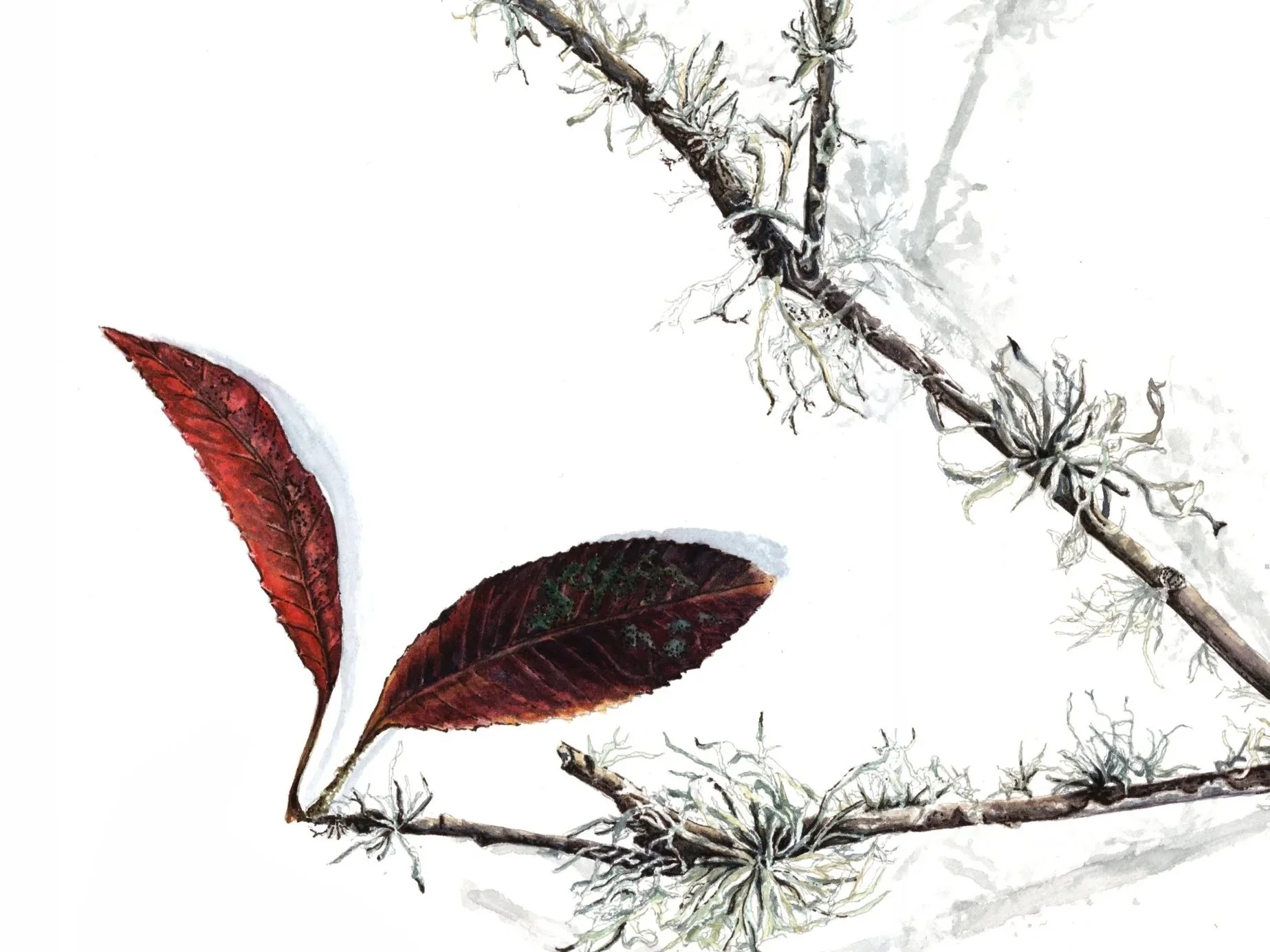
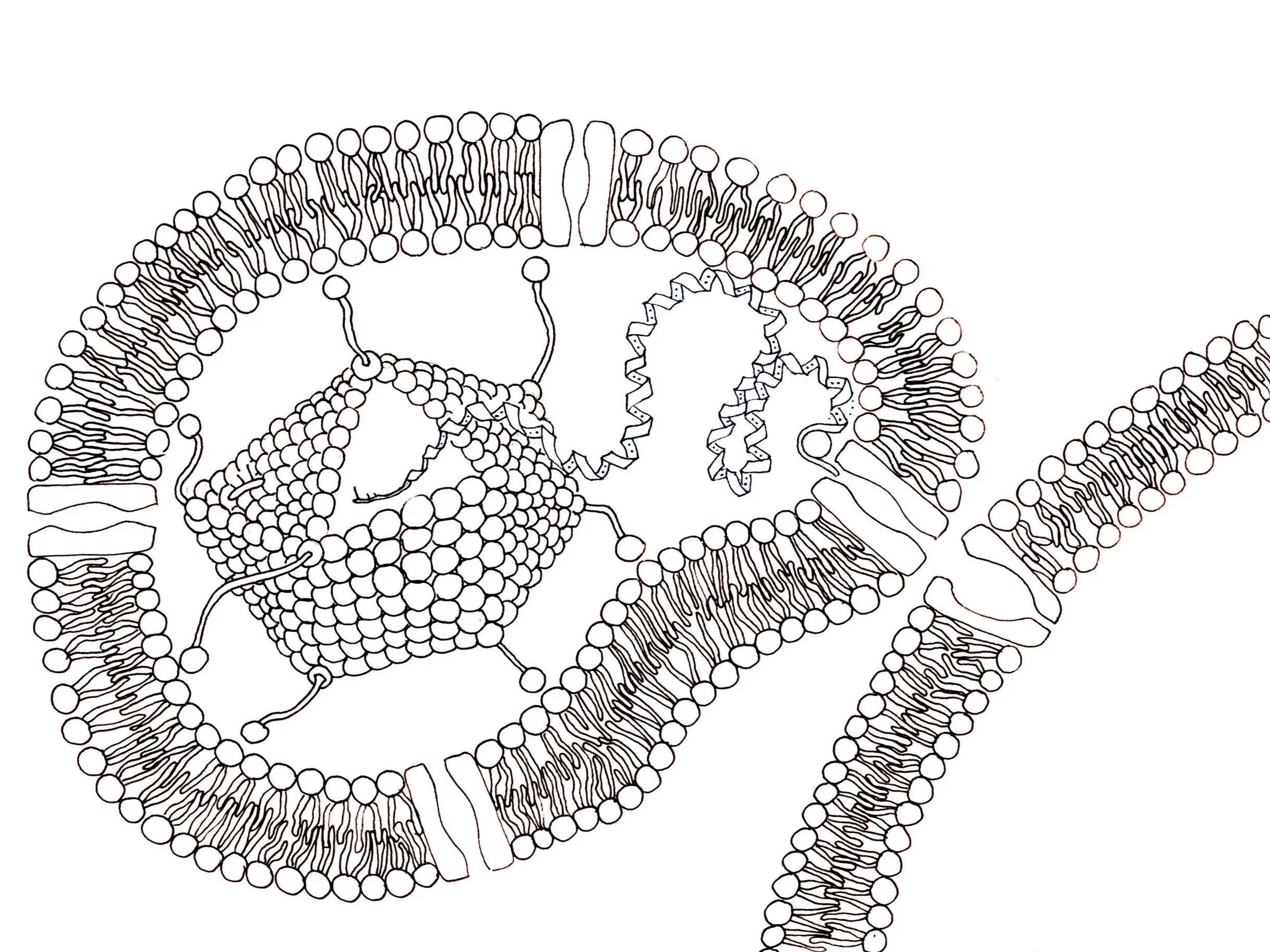
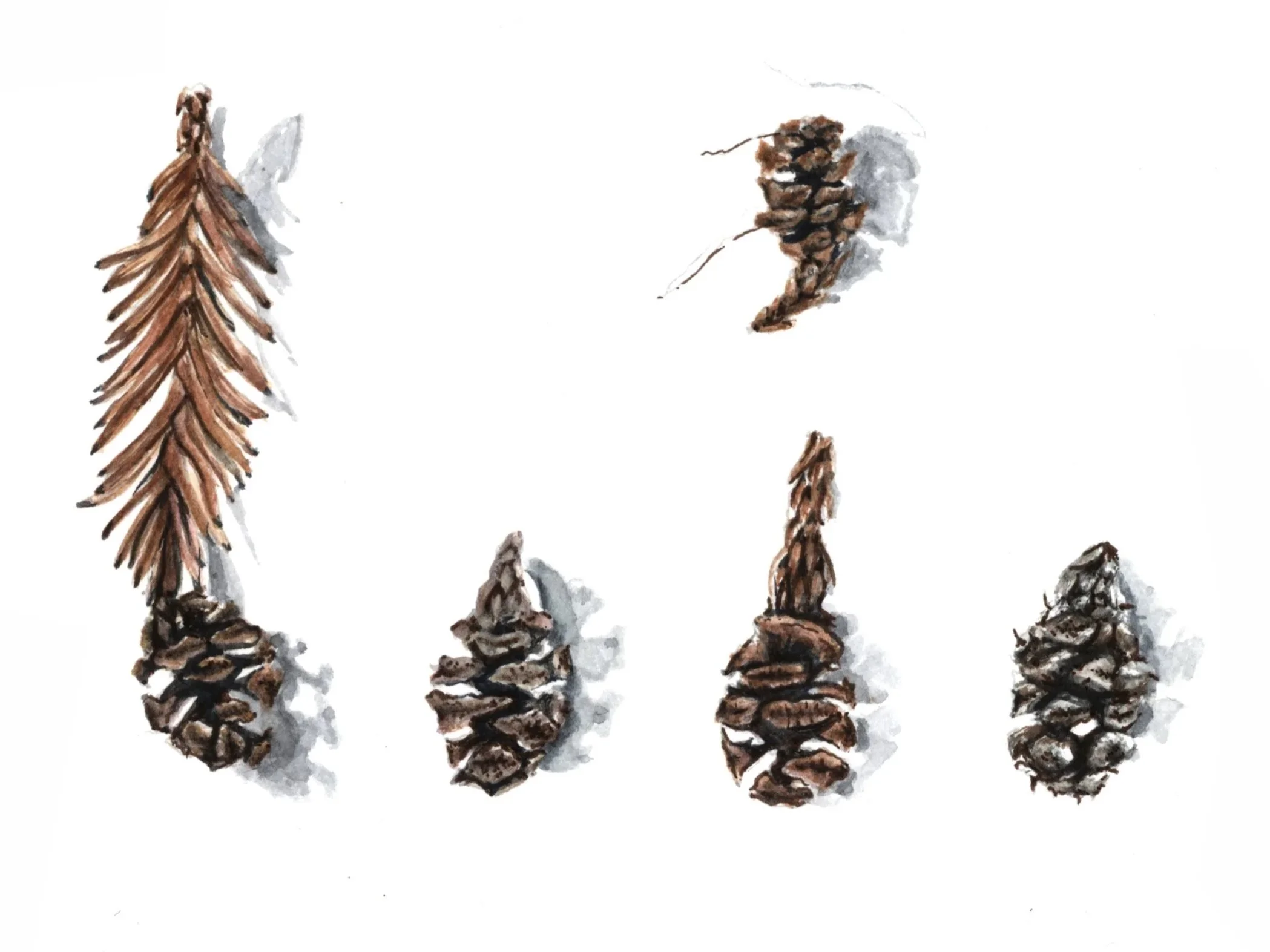
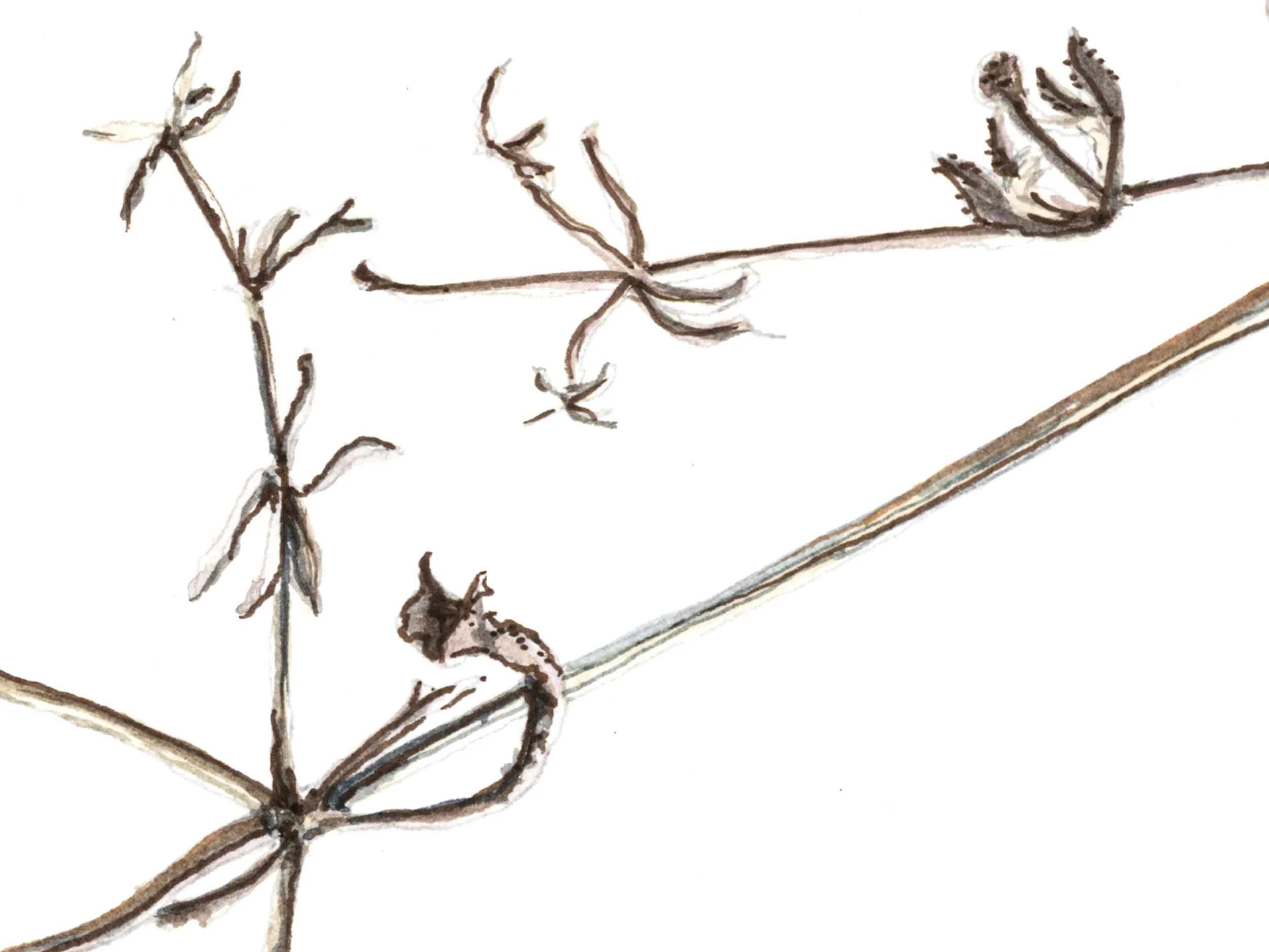
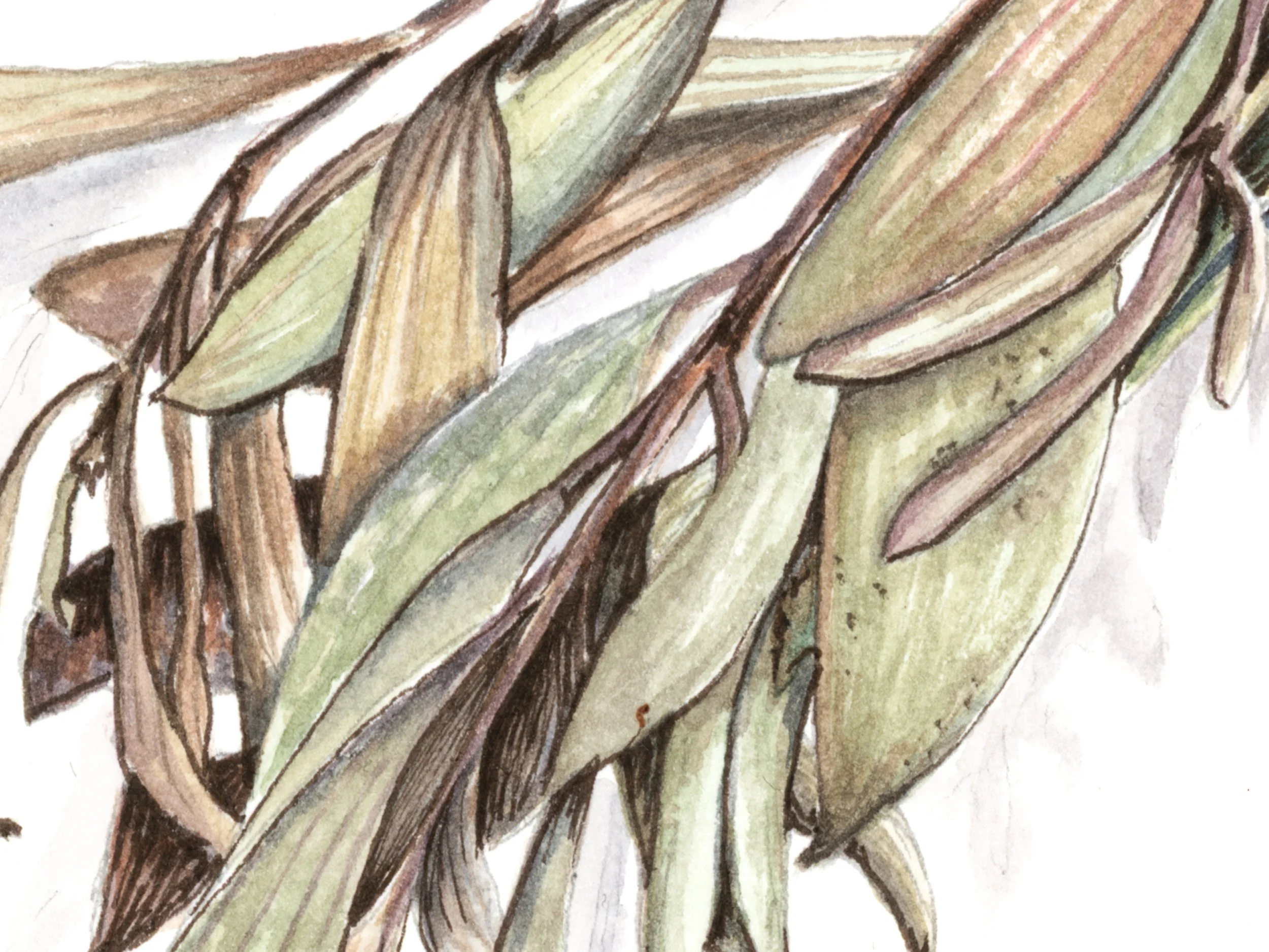
Alongside my finished work, I keep Field Notes, a more informal space where I think through ideas behind the practice.
I write about nature and the built environment, and about things I have read or seen that get me thinking. I ask questions, and record observations about plants, animals, and the environments they share.
The writing is looser and more exploratory than most of the other work you will find here. If there’s something you find interesting in anything I write, please let me know. I would love to hear it.
Frequently Asked Questions
-
Yes. Private studio viewings are available by appointment in San Francisco’s Mission District. For collectors outside the Bay Area, I also offer live video viewings and can provide additional detail photographs, scale references, and views of the work in changing light.
Please contact the studio to arrange a viewing. The exact studio location will be provided with your appointment confirmation.
-
Yes. If you send a straight-on photograph of the intended wall along with its approximate dimensions, I can prepare a complimentary, to-scale placement visualization. I am also happy to advise on scale, framing, and arrangements of multiple works.
-
I accept a limited number of private commissions each year. Commissions develop through a collaborative conversation while remaining grounded in the materials, subjects, and ideas of my existing practice.
To inquire, please share the intended setting, approximate dimensions, preferred timeframe, and any existing work that particularly resonates with you. Following an initial conversation, I will provide a written proposal outlining the scope, schedule, and fee structure.
-
Yes. I welcome inquiries from art advisors, architects, designers, and other professionals seeking work for private, institutional, or hospitality settings. Additional images, dimensions, material information, and current availability can be provided upon request.
-
Yes. I offer guest lectures, workshops, and facilitated conversations for universities, cultural organizations, design studios, and private groups. Topics may include acute observation, nature journaling, ecological perception, botanical art, and the relationship between artistic and architectural ways of seeing.
Programs can be adapted to the audience, setting, and desired length. Please contact the studio with information about your organization and proposed event.
-
Original artworks and limited editions are signed and accompanied by a certificate of authenticity documenting the title, year, medium, dimensions, and edition information, where applicable. The studio also maintains a permanent record of original works and editions.
-
Yes. Individual listings indicate whether a work is framed or unframed. I am happy to offer recommendations regarding archival framing, placement, and care, and can discuss additional arrangements for more complex works or installations.
-
Works are packed carefully using archival and protective materials. Complimentary standard shipping is included for all orders delivered within the continental United States. Original artworks are shipped fully insured and require a signature upon delivery. Shipping to Alaska, Hawaii, U.S. territories, and international destinations is available at an additional cost.
International collectors are responsible for any applicable customs duties, taxes, or import fees.
-
Original artworks purchased following an in-person viewing, commissioned works, and custom-framed works are final sale.
For original artworks purchased remotely, please contact the studio within seven calendar days of delivery to request return authorization.
Unframed prints may be returned within fourteen calendar days of delivery. Returned works must be unused, unframed, and in their original condition and packaging. They must be shipped using a trackable, fully insured service. The collector is responsible for fully insured return shipping.
A return should not be sent without prior written authorization. Refunds are issued after the work has been received and inspected.
If an artwork arrives damaged or differs materially from its description, please contact the studio within 48 hours of delivery and retain all original packaging. I will work with you to arrange an appropriate repair, replacement, or refund.
-
No. The purchase of an original artwork or print transfers ownership of the physical work but does not transfer copyright or reproduction rights. Artwork may not be reproduced, distributed, or used commercially without written permission. Licensing and publication inquiries are welcome.